Keepers of the Fire: Potawatomi & Iroquois Lessons in Gratitude
By John Novick, Jr., Head of School
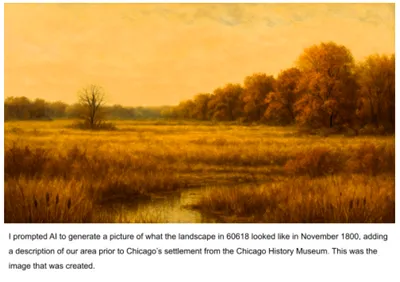
For the Potawatomi, gratitude, civic duty, and preservation of culture were intertwined, as they expressed their thankfulness for life through their unique role as Keepers of the Fire. Like most indigenous peoples in the Americas, Potawatomi gratitude was specific, inclusive, and charged with spiritual purpose, their solemn responsibility to their community for the past, present, and future. And it was existential; they believed that acknowledgment and gratitude assured their survival. They took nothing for granted, especially one another and the natural world that sustained them.
In 1821 and again in 1833, the so-called "Treaties of Chicago" between the Potawatomi, their allies, and the U.S. government led to the forcible removal of native peoples from their ancestral lands in Illinois, Wisconsin, and Michigan. The government's objectives were to seize ownership of all natural resources in the Great Lakes, segregate indigenous peoples from settlers of European ancestry, and repurpose the land and water they seized from a shared natural environment for communal hunting and gathering to one suitable for a European settler economy, with privately-owned property and speculation.
Known as The Potawatomi Trail of Death, the journey of nearly 700 miles to Kansas of about 850 Potawatomi People began in September of 1838, with soldiers pushing them west at a grueling pace, increasing the suffering of the Potawatomi and resulting in the death of 42 people, mostly children, from starvation, illness, and exhaustion. They encountered intense heat and dust at the outset, followed by weeks of blustery wind, rain, and snow before arriving in present-day Osawatomie, Kansas on November 4.
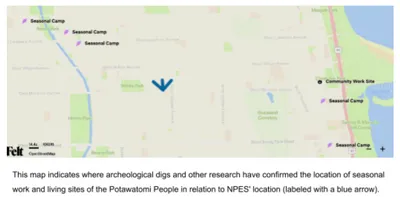
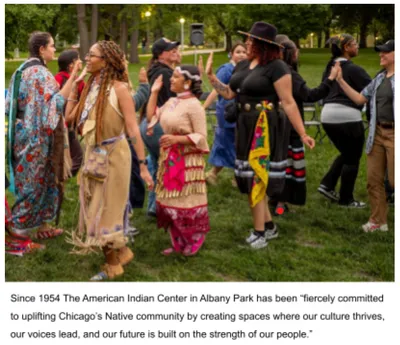
What a clear and beautiful starting point for choosing to practice gratitude as a mindset and guiding principle: acknowledging the duty to live in balance and harmony with all living things, and giving thanks to each other as people. At our absolute best, isn’t this ultimately the ethic we strive for as parents and educators in our teaching, parenting, and modeling for the children we love? One powerful expression of gratitude in the Iroquois Thanksgiving Address is actually about teachers and the critical role they play in sustaining a people. While the Iroquois did not have formal schools, family members, elders, and storytellers were acknowledged and respected as enlightened teachers. It gave me chills the first time I read it.
Enlightened Teachers
We gather our minds to greet and thank the enlightened Teachers who have come to help throughout the ages. When we forget how to live in harmony, they remind us of the way we were instructed to live as people. With one mind, we send greetings and thanks to these caring teachers. Now our minds are one.
Isn't that remarkable?
This Thanksgiving I am grateful for my colleagues, NPES’ talented, compassionate, and dedicated faculty, staff, and administration. I am grateful for our engaged, curious, creative, and kind students, and for our incredibly supportive, involved, and generous community of parents/caregivers. And I am grateful for the thoughtful and mission-aligned governance, stewardship, and commitment of our Board of Trustees and all who serve on Board Committees or lead parent clubs and groups. We have so many “Keepers of the Fire” at NPES to be thankful for this November. And I wish you all a safe, peaceful, and joyful Thanksgiving holiday.